

Solar Incentives & Tax Credits Made Simple
Solar can be more affordable than many people expect, but the savings depend on which programs apply to you and how your project is structured. FreeIncentives.solar is a plain-English guide to federal tax credits, state and local incentives, and utility programs that may lower the cost of going solar.
If you want a fast starting point, begin with a location-based incentive check to see what programs may be available where you live.
The Federal Solar Tax Credit (ITC): What It Is and What It Covers
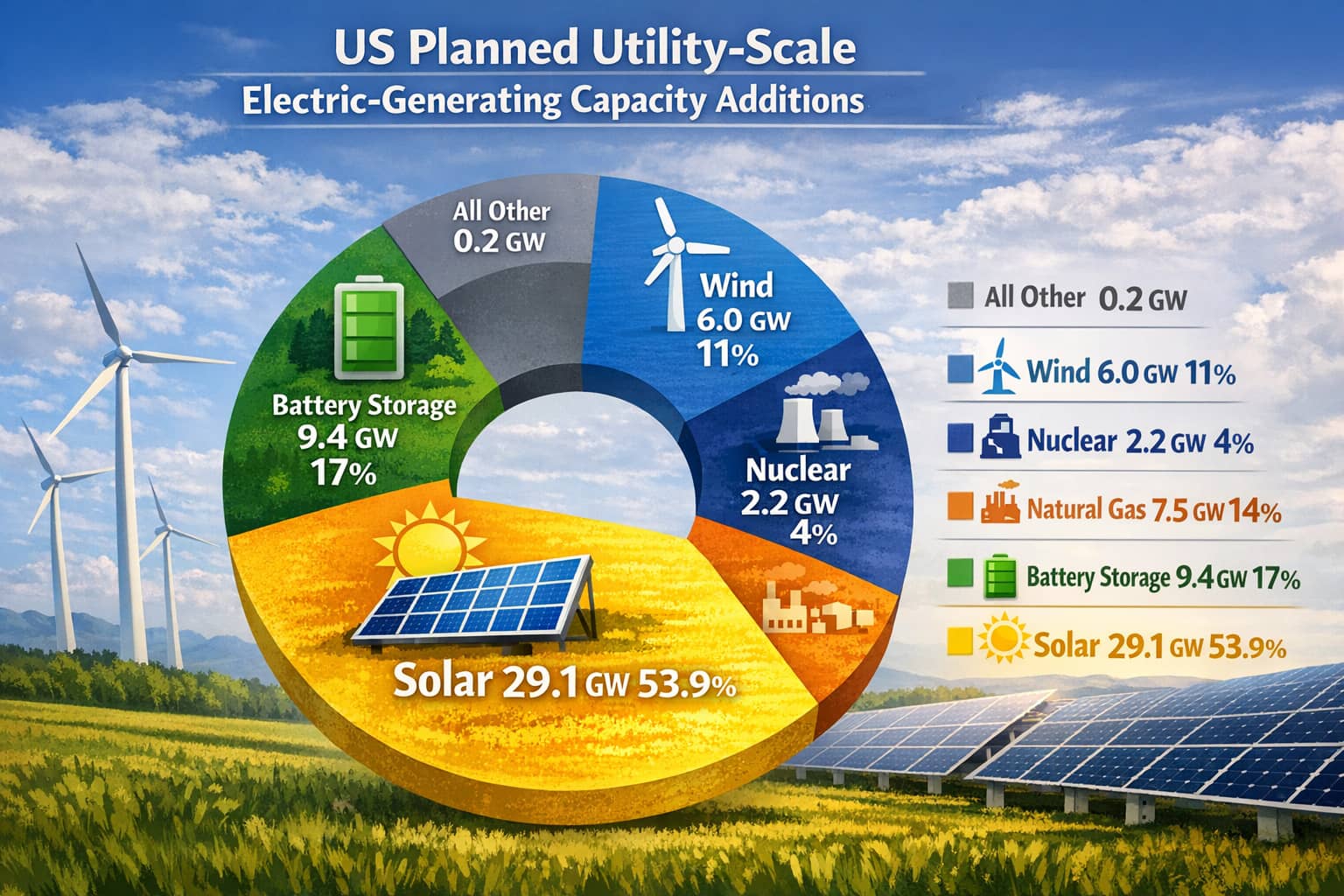
US Energy Information Administration
The federal solar tax credit is part of the Residential Clean Energy Credit (often referred to as the ITC in solar conversations). The credit is currently described as 30% of the cost of new, qualified clean energy property installed from 2022 through December 31, 2025, and it is described as not being available for property placed in service after December 31, 2025.
This is a tax credit, which generally means it can reduce the federal income tax you owe. It is also described as nonrefundable, so it can't exceed your tax liability for the year, and unused amounts are generally described as eligible to be carried forward to future tax years.
When you're estimating your eligible cost, it helps to understand what is treated as qualified expenses. Qualified expenses are commonly described to include labor costs for onsite preparation, assembly, or original installation, as well as piping or wiring needed to connect the property to the home.
A few details prevent common mistakes. Used (previously owned) clean energy property is commonly described as not eligible under this credit. Battery storage technology is described as qualifying when it meets a capacity threshold of at least 3 kilowatt-hours, which is important if you're planning to add storage now or later. Finally, traditional building components that primarily serve a roofing or structural function are typically described as not qualifying, while solar roofing tiles and solar shingles can qualify because they generate clean energy.
Who Can Qualify for the Residential Solar Credit
Eligibility is largely about the residence, how the property is used, and whether your project meets the program rules. The Residential Clean Energy Credit is commonly described as being available for improvements to a main home in the United States, and it is also described as potentially available whether you own or rent that main home, depending on the facts of the situation.
There are important limits to know up front. The credit is commonly described as not available to landlords or other property owners who do not live in the home. For a second home, it is commonly described as potentially available when you live in the home part-time, as long as you do not rent it out to others.
Mixed use matters too. When a home is used partly for business, the credit is commonly described as fully available when business use is 20% or less, and when business use is more than 20%, the credit is commonly described as based on the share allocable to nonbusiness use. If you're unsure how your situation fits, treat this page as a preparation tool. Your goal is to understand the rules well enough to ask the right questions and verify details using primary sources or a qualified tax professional.
Deadlines and Timing: When You Can Claim the Credit

For most households, the key timing concept is that the credit is tied to when the system is installed and ready to operate for the applicable tax year. That's why inspections, paperwork, and utility interconnection steps can matter in real life even if you signed a contract months earlier.
Because timing can affect which tax year you claim and which rules apply, it's smart to keep a clean record of your project milestones. Save contracts and invoices early, then keep your final installation documentation and any inspection or permission-to-operate paperwork you receive.
How to Claim the Solar Tax Credit
Claiming the federal credit is usually less about "applying" and more about filing correctly with strong documentation. The credit is commonly described as being claimed by filing the appropriate tax form with your federal tax return, and the credit is commonly described as being claimed for the tax year when the property is installed and placed in service rather than merely purchased.
A practical approach starts the moment your project begins. Keep your contract, retain itemized invoices that clearly separate equipment and labor, and store proof of payment in one place. It is commonly recommended that you keep records of your purchases and installation.
When tax season arrives, the same filing process also handles carryforward. If you cannot use the full credit in one year, it is commonly described as eligible to be carried forward and applied in future years, subject to the rules in effect for that period.
FreeIncentives.solar provides educational information and general guidance. We are not a tax preparer or law firm. For personal tax advice, consult a qualified professional.
Business Solar Incentives: What Owners Should Know
Business projects can follow different incentive pathways than residential installs, and business structure can influence what applies. Many owners start by understanding federal credit eligibility for their project and then identify which state, local, and utility programs apply to their facility's address.
The most important practical habit here is clarity. When you request proposals, ask for incentive assumptions to be shown plainly and separated from the project's base price. That makes it easier to compare offers and avoid confusing "discount" math.
Estimate Your Potential Savings
Solar savings are shaped by more than the sticker price. Your location, your utility's billing rules, your system size, and whether you include storage can all affect your net cost and payback. Financing can matter too, because ownership and contract structure can influence which incentives apply.
A useful estimate ties incentives to real variables such as your address, utility territory, typical usage, equipment type, and total installed cost. Start with a quick estimate, then refine it once you have quotes and itemized pricing.
State and Local Solar Incentives
Federal incentives are only part of the picture. Many programs are determined by where you live and which utility serves your address, which is why two households in the same state can sometimes see different outcomes.
Utility billing programs, including net metering or net billing structures, can influence the value you receive for the energy your system produces. Separately, some regions offer rebates, grants, or performance-based incentives tied to production, as well as programs aimed at battery storage.
For program discovery, many people use a comprehensive database that tracks incentives and policies at the federal, state, local, and utility levels, maintained by an established clean energy technology center and supported by the U.S. Department of Energy. Because state and local incentives can change, it's smart to confirm availability and deadlines before you make decisions based on any single program.
Select Your State
Midwest
Southeast
Trusted Resources and Official References
Solar incentives are real, but details matter, and programs can change. The most reliable approach is to verify key claims using primary sources for federal credits and official state, utility, or program administrator pages for local incentives.
If a claim sounds too absolute, treat it as a prompt to verify. A legitimate program should have clear eligibility rules, clear deadlines, and clear documentation requirements.
Frequently Asked Questions
Get Matched With Local Options
If you're ready to explore your next step, FreeIncentives.solar can help you identify programs that may apply in your area and the questions to ask before you sign. Start with a local incentive check, then compare options with clear pricing and transparent assumptions.
FreeIncentives.solar is an educational resource and is not affiliated with the IRS or any government agency. Program availability and eligibility can vary by location and may change over time.